

|
Reviewed by: Robert P. Barnidge, Jr., PhD, Chaminade College Preparatory School While Israel Slept: How Hamas Surprised the Most Powerful Military in the Middle East (While Israel Slept) by Yaakov Katz and Amir Bohbot is aptly titled, describing Israel's considerable negligence and intelligence failure in the lead up to October 7, 2023. That day, of course, saw Hamas terrorists infiltrate Israel from the Gaza Strip and kill over 1,200 innocent people, injure more than 10,000, and take 251 hostages. But While Israel Slept also shows why Israel slept, and here it tells of a fetish for calm and pinprick operations, a tactical rather than strategic vision, and weakness and indecision on the part of Prime Minister Benjamin Netanyahu (and others) rather than a determination to achieve victory and defeat Hamas. As While Israel Slept puts it, “[e]verything and everyone were just wrong” (57), with the possible exception of Shin Bet Director Ronen Bar (see 61-64). Ever since it withdrew from Gaza in 2005 until October 7, Israel regarded Hamas as a menace, albeit one that could be leveraged as a useful foil against the Palestinian Authority (see 268-72). It was thought that Hamas could be sustainably managed through such measures as a concessionary guest worker program for Gazans that proved an intelligence bonanza for Hamas (see 143-44), limited retaliatory strikes (see 201-36), half-hearted attempts at “financial warfare” (246), and Qatari money (see 258-72). Hamas was ready for the ground game, both above and below the surface, and its sympathizers around the world were poised for a propaganda campaign on the streets that demonized the Jewish state and spread falsehoods about the IDF and Israel’s agonizing war of self-defense. A nervous calm has emerged in the region since the adoption of the Comprehensive Plan to End the Gaza Conflict of September 29, 2025, and the "welcoming" of United Nations Security Council Resolution 2803 less than two months later. Although published shortly before these developments, the recommendations from While Israel Slept are just as relevant today: reform intelligence, bolster the American-Israeli alliance, improve public diplomacy efforts, prepare an exit strategy, and strengthen national resilience (see 273-310). It is up to Israel’s public to digest these (and other) recommendations. While Israel Slept promises to contribute to this debate in a dynamic and ever-changing threat environment. |
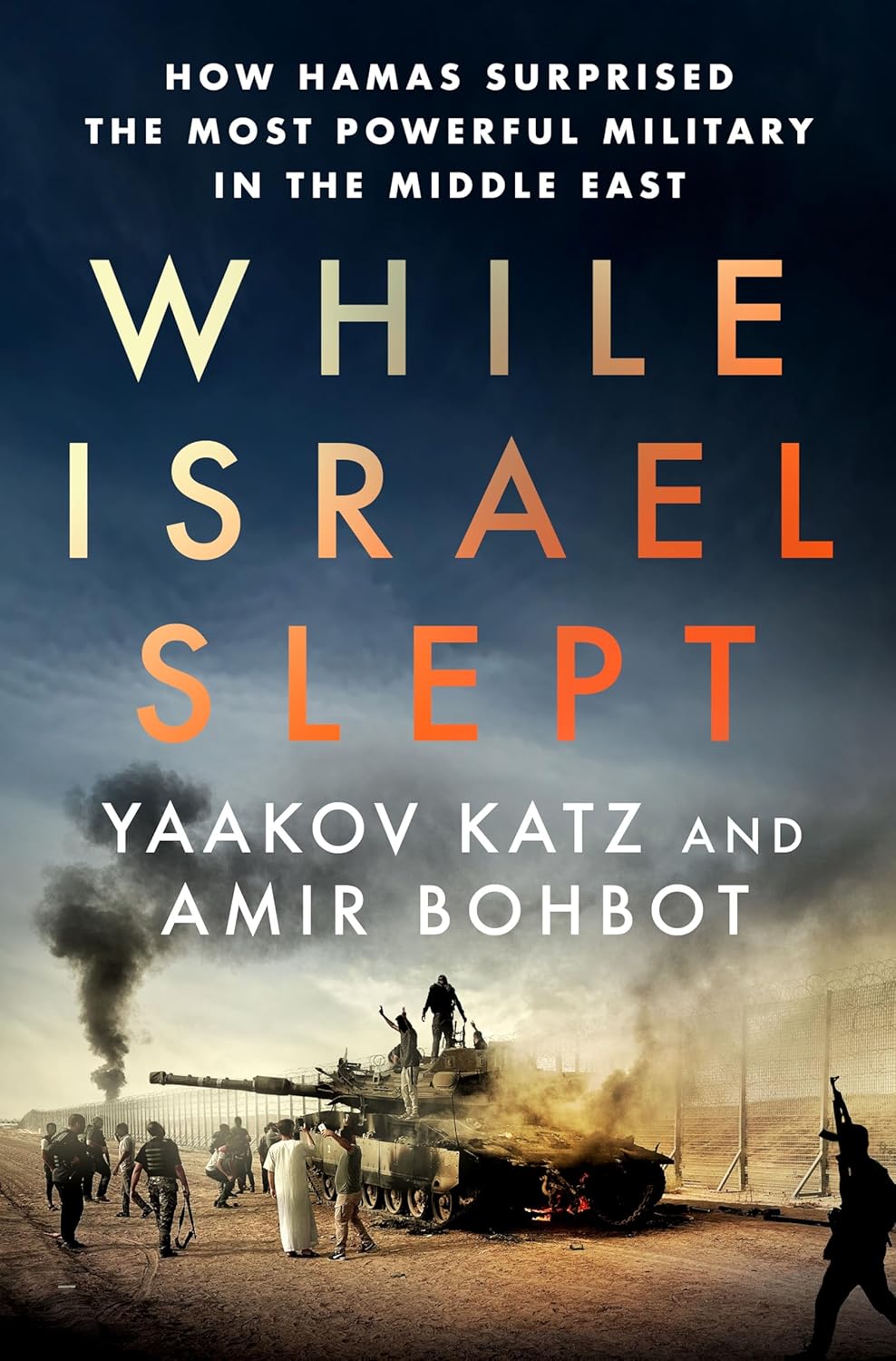 While Israel Slept: How Hamas Surprised the Most Powerful Military in the Middle East